


Jerry Sloan remembered by fellow coaches Don Nelson, Phil Jackson, Lenny Wilkens
Don Nelson, the winningest coach in NBA history, had just finished a
stroll on the beach in his beloved Hawai'i on Friday when a reporter
informed him that his coaching contemporary Jerry Sloan had died from complications of Parkinson's disease and Lewy body dementia at age 78.
"Oh, he was a dear friend,'' Nelson told ESPN. "Even if he did fight me the first time we ever met.''

Nelson was a player with the Boston Celtics when the team traveled for a game against Sloan's Chicago Bulls at Chicago Stadium on Nov. 8, 1966. Nelson was bombing back on defense, trying to catch a streaking Sloan, when Sloan stopped suddenly, causing the two players to collide violently.
"He set me up,'' Nellie recalled with a laugh. "He knew I had no choice but to run over him. And then, even though he got the call, he got up and tried to hit me.''
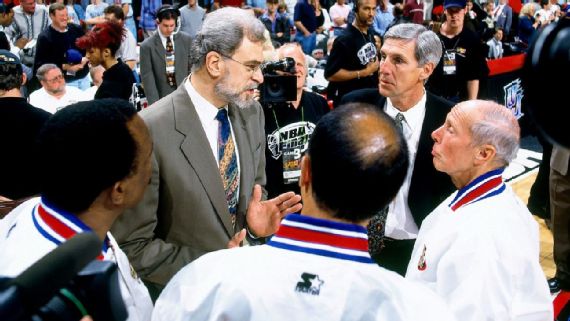 Nelson
said he and Sloan each took a couple of wild swings at each other that
didn't connect. They were quickly separated by officials and teammates.
Nelson
said he and Sloan each took a couple of wild swings at each other that
didn't connect. They were quickly separated by officials and teammates.
"Back then, they didn't throw you out of the game,'' Nellie said, "so we kept on playing. And Jerry was fine. That's how he was. He was a real tough guy, but he'd have his say and move on.''
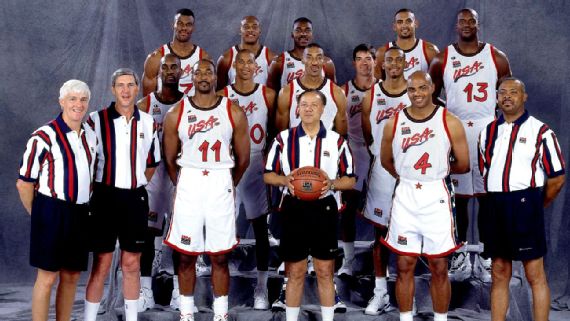
Though Sloan logged 11 rugged seasons as an NBA player from 1965 to 1976, he was best known for his 26-year stint as an NBA coach, with 23 of those seasons with the Utah Jazz.
In Salt Lake City, he instituted a no-nonsense, physical brand of basketball that enabled the Jazz to advance to the NBA Finals in back-to-back seasons in 1997 and 1998. Both times, his team -- led by Karl Malone and John Stockton, whose personalities mirrored that of their taciturn coach -- was thwarted by Michael Jordan and the Bulls.
Even though Sloan never won a championship -- and, incredibly, was never named NBA Coach of the Year -- George Karl said he was one of the most gifted coaches he has ever seen.
"I'd put Jerry as one of the top three or four all time I've ever faced,'' said Karl, who sits two spots behind Sloan at No. 6 on the all-time coaching wins list. "His teams were really difficult to play against. They were very tough-minded, very team-oriented.
"Jerry would not tolerate a lot of the NBA bulls--- that goes on. He was demanding, but respectful. Every Utah Jazz player I ever spoke to had nothing but great things to say about him.''
Sloan was raised in Gobbler's Knob, Illinois, the youngest of 10 children. When Sloan was only 4, his father died. He would rise before the sun to complete his chores on the family farm, then walk more than two miles to school. Those who knew him said he attributed the work ethic that served him well throughout his NBA career to his hardscrabble upbringing.
"Jerry was a farmer at heart,'' Phil Jackson said in a text message. "We all enjoyed his fire and his sportsmanship ... both ends of the coaching spectrum."
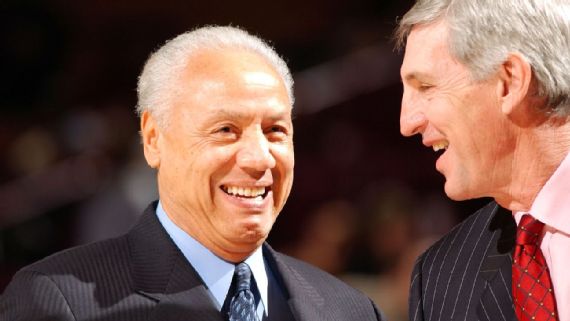
Sloan ran a disciplined franchise and would not tolerate excuses or dissent. He expected his players to exhibit the same grit that was his trademark. In 2006, when asked if he needed to be patient with his youngest player, 19-year-old C.J. Miles, Sloan retorted, "I don't care if he's 19 or 30. If he's going to be on the floor in the NBA, he's got to be able to step up and get after it. We can't put diapers on him one night, and a jockstrap the next night. It's just the way it is.''
Sloan also exhibited ferocious loyalty to his players. So, when Kenyon Martin leveled Malone in the open floor, it wasn't Malone who threatened to fight him -- it was Sloan.
Consider the words of former Jazz president and coach Frank Layden, who once relayed this gem to author Michael Lewis: "Nobody fights with Jerry because you know the price would be too high. You might come out the winner, at his age. You might even lick him. But you'd lose an eye, an arm, your testicles, in the process.''
"Oh, he was a dear friend,'' Nelson told ESPN. "Even if he did fight me the first time we ever met.''
Nelson was a player with the Boston Celtics when the team traveled for a game against Sloan's Chicago Bulls at Chicago Stadium on Nov. 8, 1966. Nelson was bombing back on defense, trying to catch a streaking Sloan, when Sloan stopped suddenly, causing the two players to collide violently.
"He set me up,'' Nellie recalled with a laugh. "He knew I had no choice but to run over him. And then, even though he got the call, he got up and tried to hit me.''
"Back then, they didn't throw you out of the game,'' Nellie said, "so we kept on playing. And Jerry was fine. That's how he was. He was a real tough guy, but he'd have his say and move on.''
Though Sloan logged 11 rugged seasons as an NBA player from 1965 to 1976, he was best known for his 26-year stint as an NBA coach, with 23 of those seasons with the Utah Jazz.
In Salt Lake City, he instituted a no-nonsense, physical brand of basketball that enabled the Jazz to advance to the NBA Finals in back-to-back seasons in 1997 and 1998. Both times, his team -- led by Karl Malone and John Stockton, whose personalities mirrored that of their taciturn coach -- was thwarted by Michael Jordan and the Bulls.
Even though Sloan never won a championship -- and, incredibly, was never named NBA Coach of the Year -- George Karl said he was one of the most gifted coaches he has ever seen.
"I'd put Jerry as one of the top three or four all time I've ever faced,'' said Karl, who sits two spots behind Sloan at No. 6 on the all-time coaching wins list. "His teams were really difficult to play against. They were very tough-minded, very team-oriented.
"Jerry would not tolerate a lot of the NBA bulls--- that goes on. He was demanding, but respectful. Every Utah Jazz player I ever spoke to had nothing but great things to say about him.''
Sloan was raised in Gobbler's Knob, Illinois, the youngest of 10 children. When Sloan was only 4, his father died. He would rise before the sun to complete his chores on the family farm, then walk more than two miles to school. Those who knew him said he attributed the work ethic that served him well throughout his NBA career to his hardscrabble upbringing.
"Jerry was a farmer at heart,'' Phil Jackson said in a text message. "We all enjoyed his fire and his sportsmanship ... both ends of the coaching spectrum."
Sloan ran a disciplined franchise and would not tolerate excuses or dissent. He expected his players to exhibit the same grit that was his trademark. In 2006, when asked if he needed to be patient with his youngest player, 19-year-old C.J. Miles, Sloan retorted, "I don't care if he's 19 or 30. If he's going to be on the floor in the NBA, he's got to be able to step up and get after it. We can't put diapers on him one night, and a jockstrap the next night. It's just the way it is.''
Sloan also exhibited ferocious loyalty to his players. So, when Kenyon Martin leveled Malone in the open floor, it wasn't Malone who threatened to fight him -- it was Sloan.
Consider the words of former Jazz president and coach Frank Layden, who once relayed this gem to author Michael Lewis: "Nobody fights with Jerry because you know the price would be too high. You might come out the winner, at his age. You might even lick him. But you'd lose an eye, an arm, your testicles, in the process.''


Comments
Post a Comment