


How to Make this Moment the Turning Point for Real Change
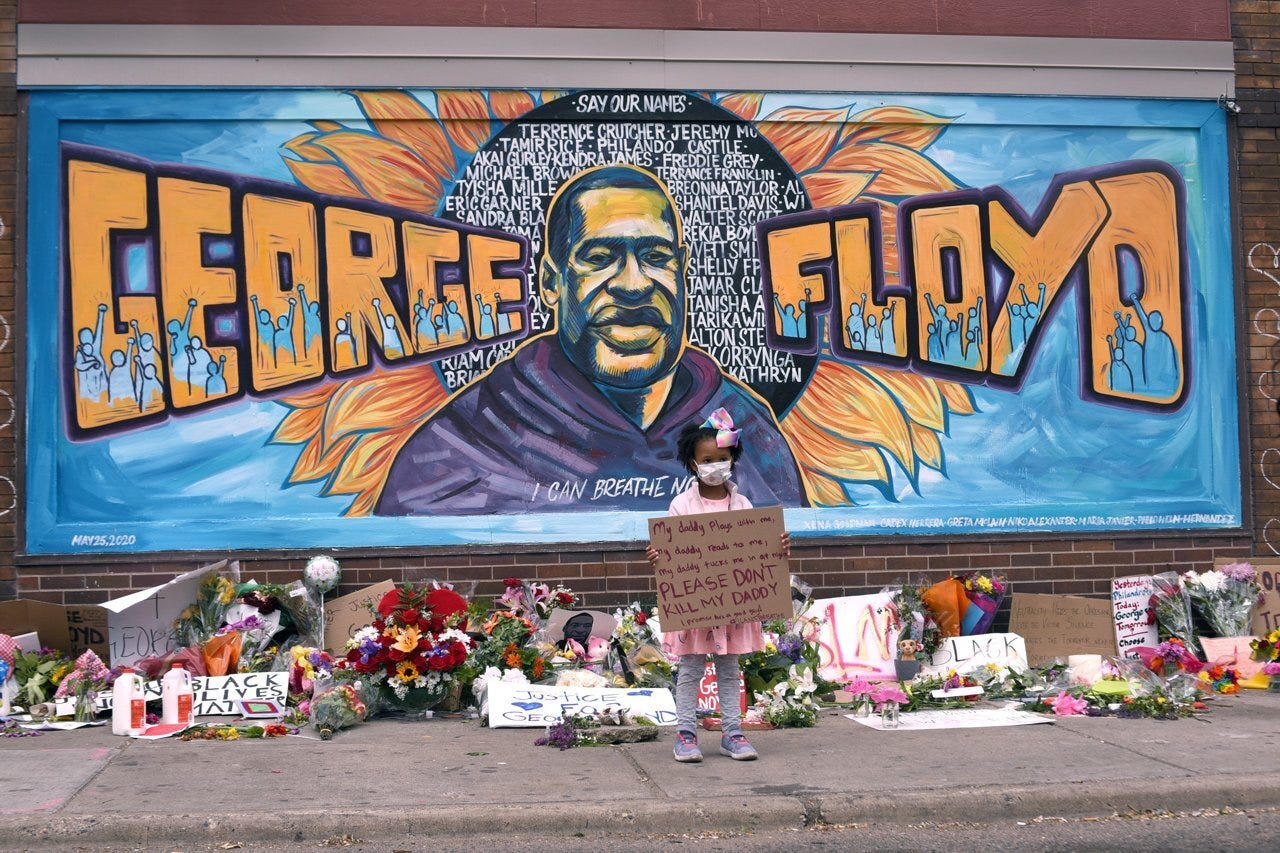
As
millions of people across the country take to the streets and raise
their voices in response to the killing of George Floyd and the ongoing
problem of unequal justice, many people have reached out asking how we
can sustain momentum to bring about real change.
Ultimately,
it’s going to be up to a new generation of activists to shape
strategies that best fit the times. But I believe there are some basic
lessons to draw from past efforts that are worth remembering.
First,
the waves of protests across the country represent a genuine and
legitimate frustration over a decades-long failure to reform police
practices and the broader criminal justice system in the United States.
The overwhelming majority of participants have been peaceful,
courageous, responsible, and inspiring. They deserve our respect and
support, not condemnation — something that police in cities like Camden
and Flint have commendably understood.
On
the other hand, the small minority of folks who’ve resorted to violence
in various forms, whether out of genuine anger or mere opportunism, are
putting innocent people at risk, compounding the destruction of
neighborhoods that are often already short on services and investment
and detracting from the larger cause. I saw an elderly black woman being
interviewed today in tears because the only grocery store in her
neighborhood had been trashed. If history is any guide, that store may
take years to come back. So let’s not excuse violence, or rationalize
it, or participate in it. If we want our criminal justice
system, and American society at large, to operate on a higher ethical
code, then we have to model that code ourselves.
Second,
I’ve heard some suggest that the recurrent problem of racial bias in
our criminal justice system proves that only protests and direct action
can bring about change, and that voting and participation in electoral
politics is a waste of time. I couldn’t disagree more. The point of
protest is to raise public awareness, to put a spotlight on injustice,
and to make the powers that be uncomfortable; in fact, throughout
American history, it’s often only been in response to protests and civil
disobedience that the political system has even paid attention to marginalized communities. But eventually, aspirations have to be translated into specific laws and institutional practices — and in a democracy, that only happens when we elect government officials who are responsive to our demands.
Moreover, it’s important for us to understand which
levels of government have the biggest impact on our criminal justice
system and police practices. When we think about politics, a lot of us
focus only on the presidency and the federal government. And yes, we
should be fighting to make sure that we have a president, a Congress, a
U.S. Justice Department, and a federal judiciary that actually recognize
the ongoing, corrosive role that racism plays in our society and want
to do something about it. But the
elected officials who matter most in reforming police departments and
the criminal justice system work at the state and local levels.
It’s
mayors and county executives that appoint most police chiefs and
negotiate collective bargaining agreements with police unions. It’s
district attorneys and state’s attorneys that decide whether or not to
investigate and ultimately charge those involved in police misconduct.
Those are all elected positions. In some places, police review boards
with the power to monitor police conduct are elected as well.
Unfortunately, voter turnout in these local races is usually pitifully
low, especially among young people — which makes no sense given the
direct impact these offices have on social justice issues, not to
mention the fact that who wins and who loses those seats is often
determined by just a few thousand, or even a few hundred, votes.
So the bottom line is this: if we want to bring about real change, then the choice isn’t between protest and politics. We have to do both. We have to mobilize to raise awareness, and we have to organize and cast our ballots to make sure that we elect candidates who will act on reform.
Finally, the
more specific we can make demands for criminal justice and police
reform, the harder it will be for elected officials to just offer lip
service to the cause and then fall back into business as usual once
protests have gone away. The content of that reform agenda will be
different for various communities. A big city may need one set of
reforms; a rural community may need another. Some agencies will require
wholesale rehabilitation; others should make minor improvements. Every
law enforcement agency should have clear policies, including an
independent body that conducts investigations of alleged misconduct.
Tailoring reforms for each community will require local activists and
organizations to do their research and educate fellow citizens in their
community on what strategies work best.
But as a starting point, here’s a report and toolkit
developed by the Leadership Conference on Civil and Human Rights and
based on the work of the Task Force on 21st Century Policing that I
formed when I was in the White House. And if you’re interested in taking
concrete action, we’ve also created a dedicated site
at the Obama Foundation to aggregate and direct you to useful resources
and organizations who’ve been fighting the good fight at the local and
national levels for years.
I
recognize that these past few months have been hard and dispiriting —
that the fear, sorrow, uncertainty, and hardship of a pandemic have been
compounded by tragic reminders that prejudice and inequality still
shape so much of American life. But watching the heightened activism of
young people in recent weeks, of every race and every station, makes me
hopeful. If, going forward, we can channel our justifiable anger into
peaceful, sustained, and effective action, then this moment can be a
real turning point in our nation’s long journey to live up to our
highest ideals.
Let’s get to work.
Written by


Comments
Post a Comment